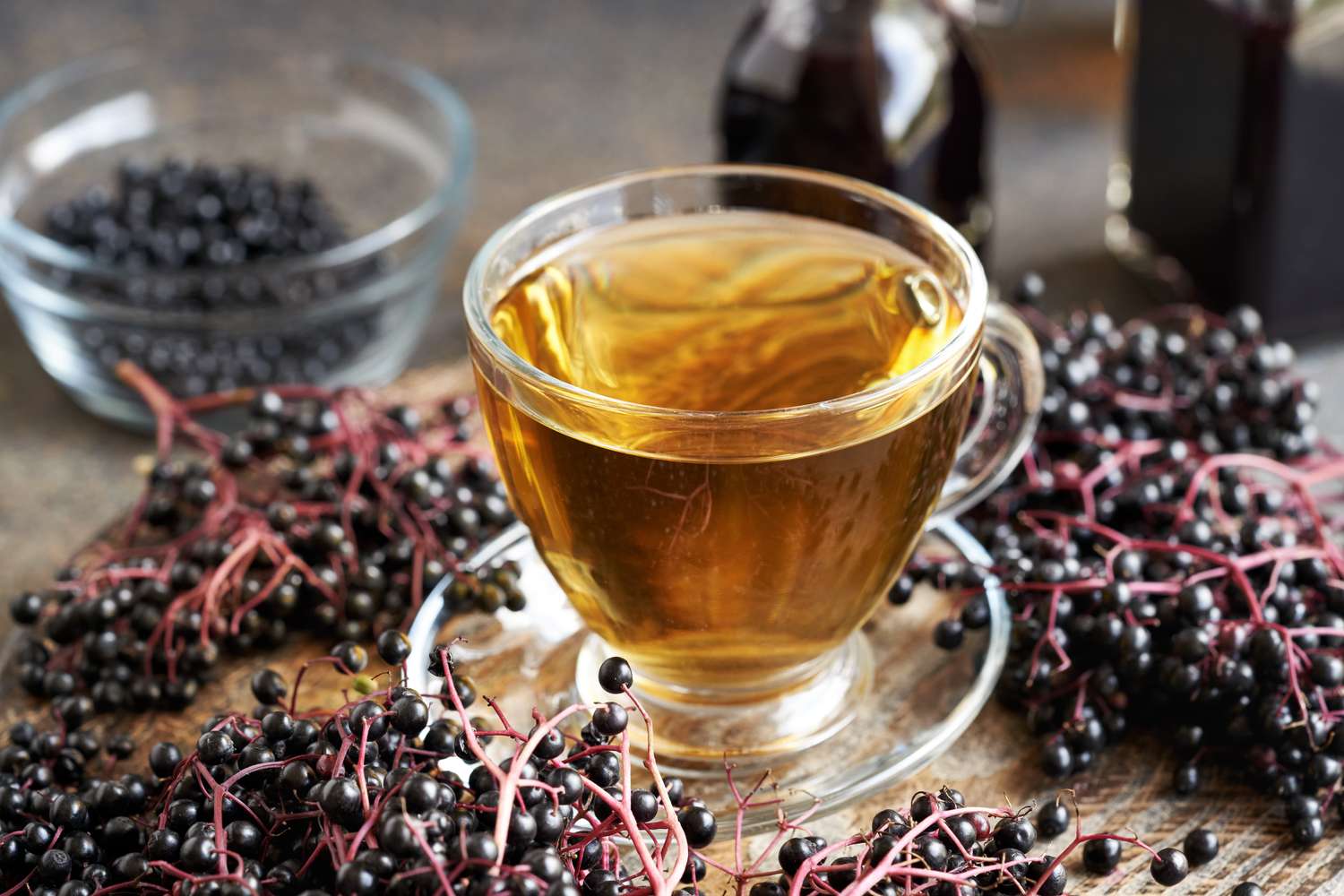
Unlock Wellness: Elderberry Tea's Antioxidant Power & Uses
In the quest for natural wellness, few remedies boast the historical reverence and modern appeal of elderberry tea. For centuries, across continents and cultures, the elderberry plant has been cherished for its potential to fortify the body and soothe the spirit. More than just a warm beverage, elderberry tea offers a potent blend of nature's finest compounds, making it a cornerstone for those seeking immune support, antioxidant protection, and overall vitality, especially as seasons change.
This comprehensive guide delves into the fascinating world of elderberry tea, exploring its rich history, scientific backing, myriad health benefits, and practical advice for incorporating this powerhouse brew into your daily routine. Prepare to discover how a simple cup of tea can unlock a new level of wellness.
What is Elderberry Tea?
Elderberry tea is a beloved herbal infusion prepared from the dried berries of the elder plant, primarily from the Sambucus tree family, with Sambucus nigra (black elderberry) being the most commonly used variety. This ancient botanical has a storied past, with evidence of its use dating back thousands of years. Indigenous peoples of the Americas, as well as early European and Asian civilizations, utilized various parts of the elder plant – including its leaves, bark, roots, flowers, and berries – for their perceived medicinal properties.
The true magic of elderberry tea lies in its exceptional nutritional profile. It's a rich source of antioxidants, including potent flavonoids, phenolic acids, and anthocyanins. These compounds are responsible for the berry's deep purple hue and are believed to play a crucial role in the plant's therapeutic effects. When brewed, these beneficial elements are released, creating a warm, comforting, and remarkably healthful drink.
Often enjoyed as a soothing tonic during colder months, elderberry tea is more than just a seasonal treat. It represents a timeless connection to natural healing, offering a delicious and accessible way to harness the plant's powerful properties for modern-day wellness.
The Power Behind the Brew: Why Elderberry Tea Shines for Immunity
One of the most celebrated attributes of elderberry tea is its remarkable ability to support and boost the immune system. This reputation isn't merely folklore; it's backed by a growing body of research highlighting the unique synergy of compounds found within the elderberry.
At the heart of elderberry's immune-boosting prowess are its antioxidant compounds. Phenolic acids, flavonoids, and especially anthocyanins, work in concert to protect the body's cells from oxidative stress. Oxidative stress, caused by harmful molecules called free radicals, can damage cells and weaken immune function, making the body more susceptible to illness. By neutralizing these free radicals, elderberry's antioxidants act as a protective shield, allowing the immune system to function more robustly and efficiently.
Beyond general antioxidant protection, specific studies have pointed to elderberry's direct impact on immune response. For instance, a notable 2004 study published in the Journal of International Medical Research found that elderberry extract significantly helped shorten the duration of flu symptoms in participants, reducing the illness by an average of four days compared to a placebo group. This suggests that elderberry may not only bolster the immune system but also potentially inhibit the activity of certain viruses, making it a powerful ally against common upper respiratory infections like colds, flu, and sinus congestion.
Regular consumption of elderberry tea can thus serve as a proactive measure, helping the body prepare for and fend off seasonal challenges. Its soothing warmth also provides symptomatic relief, making it a comforting choice when dealing with a sore throat or nasal congestion. This dual action—immune support and symptom relief—solidifies elderberry tea's status as a go-to natural remedy for many during cold and flu season.
Beyond Immunity: A Spectrum of Elderberry Tea Benefits
While its immune-boosting capabilities often steal the spotlight, elderberry tea offers a much broader range of benefits that contribute to overall health and vitality. Its rich composition of bioactive compounds extends its therapeutic reach far beyond just fighting off colds.
Reducing Inflammation
Chronic inflammation is a root cause of many modern diseases. The flavonoids and anthocyanins in elderberries are well-known for their anti-inflammatory properties. Drinking elderberry tea can help to calm systemic inflammation, reducing discomfort and supporting the body's natural healing processes. This can be particularly beneficial for conditions where inflammation plays a key role, contributing to a sense of greater well-being and less pain.
Supporting Respiratory Health
Beyond its immune actions against viruses, elderberry tea has been traditionally used to support general respiratory health. Its soothing properties can help alleviate symptoms of upper respiratory issues, such as easing a cough, clearing nasal passages, and reducing sinus pressure. The warmth of the tea combined with its active compounds can provide significant comfort and aid in respiratory function, making it an excellent choice when you feel congested or have a sore throat.
Potent Antioxidant Protection
As mentioned, elderberry is packed with antioxidants. This constant cellular protection is vital not just for immunity but for overall health. Antioxidants combat oxidative stress, which contributes to aging and various chronic conditions. By regularly consuming elderberry tea, you're helping your body maintain cellular integrity, which can have long-term benefits for skin health, cognitive function, and protection against chronic diseases.
Aiding Digestion
Some traditional uses of elderberry also point to its benefits for the digestive system. While not its most prominent benefit, the fiber content in elderberries (though less in tea form) and its anti-inflammatory properties can contribute to a healthier gut environment. A well-functioning digestive system is foundational to overall health, impacting everything from nutrient absorption to immune response.
Potential for Chronic Disease Protection
The combined effects of elderberry's antioxidants and anti-inflammatory compounds suggest a potential role in protecting against certain chronic diseases. By reducing oxidative damage and inflammation, elderberry tea may contribute to cardiovascular health, help regulate blood sugar levels, and even possess chemopreventive properties, as indicated by some preliminary research. While not a cure, it can be a valuable dietary addition to a holistic approach to disease prevention.
Improving Vision and Metabolism
Though less studied than its immune benefits, some proponents suggest elderberry tea may contribute to improved vision due to its antioxidant content, which can protect eye cells from damage. Additionally, it has been anecdotally linked to speeding up metabolism. While these claims require further scientific validation, they highlight the broad spectrum of wellness properties attributed to this remarkable plant.
Brewing Your Own Wellness: How to Make Elderberry Tea
Making your own elderberry tea at home is a simple and rewarding process, allowing you to enjoy its benefits fresh and flavorful. All you need are dried elderberries and water.
Ingredients:
- 1-2 tablespoons of dried elderberries
- 8-10 ounces of filtered water
- Optional additions: honey, lemon slices, fresh ginger, cinnamon stick
Instructions:
- Measure Elderberries: Place 1 to 2 tablespoons of dried elderberries into a tea infuser, French press, or directly into a mug. For a stronger brew, use more berries.
- Boil Water: Bring 8-10 ounces of filtered water to a rolling boil.
- Pour and Steep: Pour the hot water over the elderberries.
- Steep: Allow the tea to steep for 10-15 minutes. For maximum benefit and flavor extraction, you can even let it steep longer, up to 20 minutes. The longer it steeps, the more robust the flavor and the more compounds are released.
- Strain and Serve: Strain the elderberries using a fine-mesh sieve or remove the infuser.
- Customize: Stir in a teaspoon of honey for sweetness and additional soothing properties. Add a slice of lemon for a bright citrus note and extra vitamin C. A thin slice of fresh ginger or a cinnamon stick can further enhance both flavor and health benefits.
Pro Tip: You can prepare a larger batch of elderberry tea concentrate and store it in the refrigerator for up to 3-4 days. Simply dilute with hot water or enjoy chilled as an iced tea. For an extra immune boost during cold and flu season, consider enjoying a cup of this warming tea daily. To further deepen your understanding of how elderberry can support you through the seasons, don't miss our comprehensive guide: Your Cold & Flu Season Ally: The Health Benefits of Elderberry Tea.
Important Considerations: Side Effects and Safe Use
While elderberry tea offers numerous health benefits, it's crucial to approach its consumption with awareness and caution. Like any herbal remedy, it's not without potential side effects, and certain groups should exercise particular care.
The most important safety note pertains to the preparation of elderberry products. Never consume raw or undercooked elderberries, leaves, bark, or roots. These parts of the plant contain compounds called cyanogenic glycosides, which can cause symptoms such as nausea, vomiting, diarrhea, and in severe cases, more serious toxicity. Always ensure you are using dried, properly processed elderberries or commercially prepared elderberry products.
Even with properly prepared elderberry tea, some individuals may experience mild side effects, including:
- Nausea
- Diarrhea
- Vomiting
- Dizziness
These reactions are typically mild and often resolve quickly, but if you experience any severe or persistent symptoms, discontinue use and consult a healthcare professional.
Furthermore, certain individuals should avoid elderberry or use it only under medical supervision:
- Pregnant or breastfeeding women: There isn't enough research to confirm elderberry's safety during pregnancy or lactation.
- Individuals with autoimmune conditions: Because elderberry can stimulate the immune system, it might potentially exacerbate conditions like rheumatoid arthritis, lupus, or multiple sclerosis.
- People on immunosuppressant medications: Elderberry's immune-boosting effects could interfere with medications designed to suppress the immune system.
- Individuals with diabetes: Elderberry may affect blood sugar levels, so those with diabetes should monitor their levels closely.
Always consult with a healthcare professional before adding any new herbal remedy to your routine, especially if you have underlying health conditions, are pregnant, breastfeeding, or taking medications. They can provide personalized advice based on your individual health profile. For a more detailed breakdown of potential risks and who should exercise caution, explore our article: Elderberry Tea: Immune Boost, Benefits, How To Make & Side Effects.
Conclusion
Elderberry tea stands as a testament to nature's profound capacity to support our well-being. From its deep historical roots as a folk remedy to its current recognition as a powerful immune ally and antioxidant powerhouse, this humble brew offers a multitude of benefits. By harnessing its rich array of flavonoids, phenolic acids, and anthocyanins, elderberry tea can help fortify your immune system, combat inflammation, support respiratory health, and provide crucial cellular protection. Incorporating this soothing and flavorful tea into your daily routine is a simple yet effective step towards unlocking a more vibrant, resilient you. Embrace the wisdom of ancient traditions and empower your health, one comforting cup at a time.
